Investigative Journalism vs Political Power
Omar.jpg
Investigative Journalism vs Political Power: Breaking Down the Ilhan Omar Controversy
Introduction: A Growing Battle Over Transparency
In today’s fast-moving media landscape, investigative journalism plays a crucial role in holding public figures accountable. However, that role is increasingly being challenged. A recent controversy involving Ilhan Omar and independent journalists has sparked a wider debate about fraud allegations, media freedom, and the limits of public scrutiny.
What began as a discussion around financial reporting has quickly evolved into a broader conflict—one that touches on legal boundaries, political narratives, and the future of investigative reporting itself.
The Allegations: Questions Around Financial Disclosures
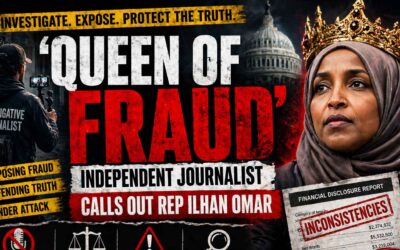
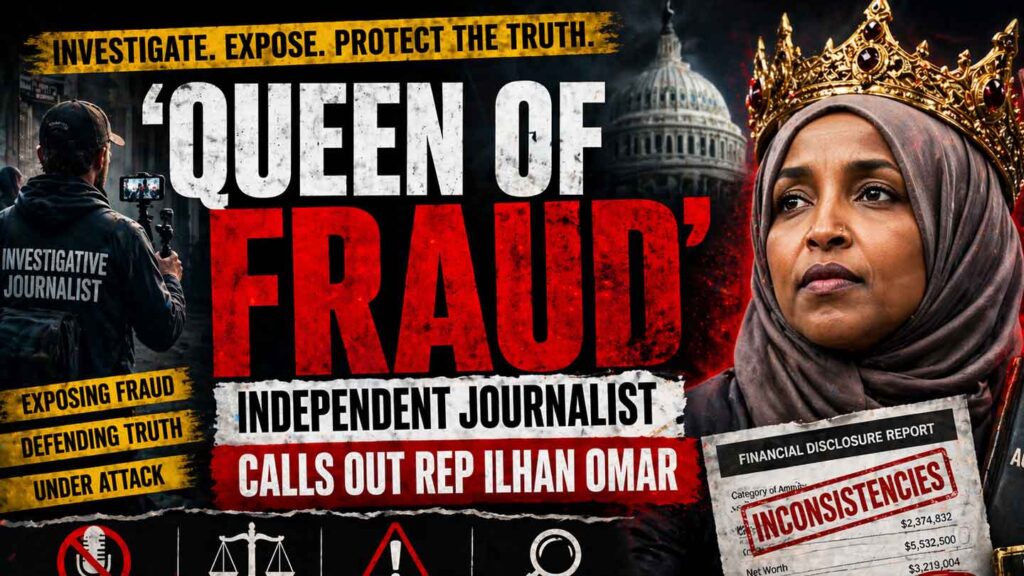
The controversy gained momentum after independent journalist Nick Shirley raised concerns about inconsistencies in financial disclosures linked to public officials. According to Shirley, discrepancies in reported figures—particularly those involving large sums—should not be easily dismissed as clerical errors.
He argues that when public trust is involved, even small inconsistencies deserve careful examination. These claims have not been legally proven, but they have amplified calls for greater transparency and accountability.
At the same time, critics caution against drawing conclusions without verified evidence, emphasizing the importance of responsible reporting.
Legal Debate: Could New Laws Restrict Investigations?
A central issue in this debate is proposed legislation that some believe could limit investigative work. Critics argue that certain legal definitions—especially around “harassment” and “protected facilities”—are too broad and open to interpretation.
According to concerns raised, such language could potentially be used to restrict journalists or citizens from documenting or reporting on activities at specific locations, even when investigating alleged fraud.
Supporters of these laws, however, maintain that they are designed to protect workers and vulnerable communities from intimidation or targeted disruption. This creates a legal gray area where the line between investigation and interference becomes difficult to define.
Risks in the Field: The Reality for Independent Reporters
Beyond legal challenges, independent journalists face real-world risks. Shirley has described receiving threats, including attempts to reveal his location online and warnings of potential harm.
These risks highlight a growing tension: while investigative reporting is essential for transparency, those who engage in it may face personal danger, especially when exposing sensitive issues like fraud or corruption.
Despite these challenges, many independent reporters continue their work, often without the institutional protection available to traditional media organizations.
Political Reactions: A Deepening Divide
The response to these investigations has been sharply divided. Some political figures and commentators argue that aggressive reporting methods can create unnecessary suspicion and potentially harm individuals or businesses.
Others, however, defend investigative journalism as a necessary tool for exposing wrongdoing. They argue that without independent scrutiny, fraud and misuse of funds could go unchecked.
This divide reflects a broader political reality: issues of accountability are often interpreted through partisan perspectives, making consensus difficult to achieve.
The Bigger Picture: Fraud, Oversight, and Public Trust
While the controversy focuses on specific individuals and policies, it also points to a larger issue—fraud within public systems. From healthcare programs to nonprofit organizations, allegations of misuse of funds have become increasingly common.
Independent journalists and watchdogs argue that exposing such issues is essential for protecting taxpayer money and maintaining trust in public institutions. However, critics warn that unverified claims can lead to misinformation and reputational damage.
Balancing these concerns is one of the biggest challenges facing modern journalism.
Striking the Balance: Freedom and Responsibility
At the heart of this debate is the need to balance two important principles:
- Freedom of the press, ensuring journalists can investigate without fear
- Responsible reporting, ensuring claims are accurate and evidence-based
Too much restriction risks silencing important investigations, while too little oversight can lead to false or misleading narratives. Finding the right balance will be critical as media and politics continue to evolve.
Conclusion: A Debate That Will Shape the Future
The controversy involving Ilhan Omar and independent investigative journalism is more than a single political issue—it represents a broader struggle over transparency, power, and accountability.
As new laws are considered and investigations continue, the outcome of this debate could have lasting implications for how journalism operates in the future.
One thing is certain: the conversation around fraud, media freedom, and public trust is far from over.
Read More
Bill Maher vs Democratic Socialism: A Reality Check for Modern Politics
About The Author