NYC Business Climate Faces Uncertainty Amid $5.4B Budget Shortfall and Tax Debate
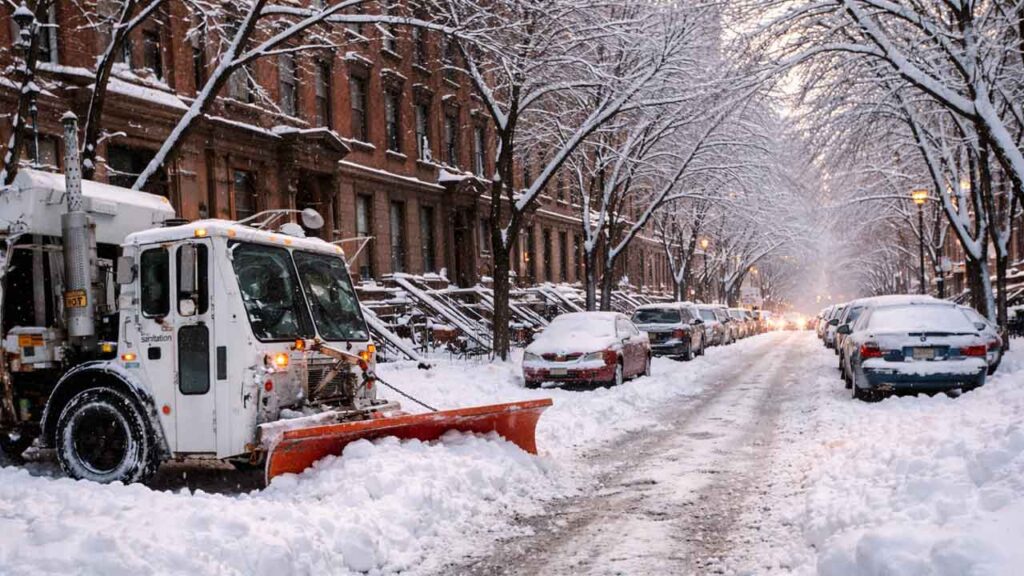
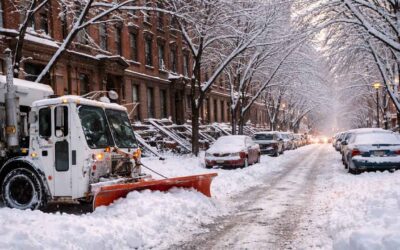
Crews clear the streets of Times Square
When snow covers New York City and teams work to clean Times Square, spending as much as 3 million dollars for every inch — money drains fast. Meanwhile, another problem grows quietly: a gap in the city’s finances expected to hit 5.4 billion. Not visible like plows at night, but heavier in time. As this fiscal pressure builds, concerns about the NYC business climate are intensifying, especially among investors and major employers. Stories like this continue to dominate national USA news, particularly as cities weigh economic strain against long-term sustainability and investment stability goals.
A fresh mayor, Zoran Mamdani, wants higher taxes to fix budget shortfalls — one idea hits earners above $1 million each year. Should lawmakers block it, he’ll push instead for a jump in property levies by 9.5%, touching over 100,000 business sites citywide. The proposal also raises broader questions about business and climate change, particularly in a city that is home to many NYC Business climate change companies and financial institutions funding environmental initiatives.
Some company heads claim confusion about these plans has begun rattling investors. Shaking things up early, the unknowns ripple outward slowly. For sectors like finance, technology, and even NYC business climate tech companies NYC has been attracting in recent years, policy uncertainty can delay expansion and hiring decisions.
“Anything But Certain”
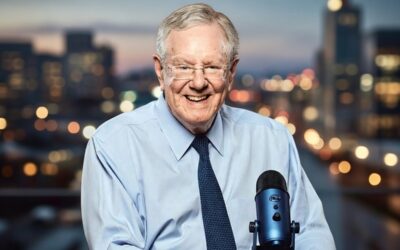
Fresh into his role, Steve Fulop leads the Partnership for New York City now, guiding a network that includes over three hundred major businesses across the five boroughs. These firms, taken together, provide work for around eight hundred thousand individuals throughout the region. Among them are companies working on climate change solutions, infrastructure resilience, and sustainability initiatives that position New York as a global hub for climate change business innovation.
“The administration has been in place for two months and we’ve had conversations around income tax increases, corporate tax increases, and now property tax increases,” he said. “If you’re looking for a place to invest, you look for certainty — and the environment right now in New York City is anything but certain.”
A handful of heavy hitters from Wall Street and major corporations make up the group’s ranks. With talks on new rules still unfolding, leaders are quietly rethinking how they scale operations downtown. This includes top companies tackling climate change that rely on stable financial ecosystems to fund renewable energy, green infrastructure, and clean technology projects.
Other States Pushing Competition
Now, for the first time, Texas counts more finance jobs than New York — a quiet signal that business patterns are changing. While places like Texas and Florida push ahead with lighter tax rules, worries grow in New York over how higher taxes might affect its future standing.
The concern is not limited to traditional finance. Several climate tech companies NYC has nurtured — along with companies fighting climate change across energy, construction, and transportation — depend on investor confidence and tax predictability.
Fulop pointed out how banks such as Goldman Sachs and Bank of New York Mellon probably won’t fully leave New York — yet shifting just part of their operations might still strain city finances heavily. Even a modest relocation of firms supporting climate change companies or managing green investment portfolios could impact tax revenue.
“You don’t need 50% of employers to leave,” Fulop warned. “A handful of companies relocating — or even a small number of high-income taxpayers moving — can create a significant hole in the budget.”
In today’s environment, where investors closely track a list of companies with net zero targets and corporate ESG commitments, cities compete not only on taxes but on sustainability strategy and long-term policy stability.
Is the Gap Getting Smaller?
What started as a $12 billion gap shrank to $7 billion when Wall Street brought in more than anyone predicted. As April taxes come into view, Fulop sees room for that number to drop even more.
Supporters of the mayor’s proposal argue that higher taxes are needed so services can be funded, helping residents earning less than $100,000 annually. Opponents counter that raising taxes too aggressively could discourage NYC business climate change business investment, reduce corporate relocation to the city, and slow momentum for companies helping climate change through innovation and capital deployment.
New York remains home to global leaders in finance, media, and sustainability. It also houses companies fighting NYC Business climate change through renewable energy, carbon reduction technology, and sustainable infrastructure projects. The question is whether fiscal policy will strengthen or weaken that ecosystem.
A Tipping Point?
Few places match New York when it comes to finance, global connectivity, and skilled talent. Still, executives emphasize that past prestige does not guarantee future growth.
“It’s still early days,” Fulop noted, expressing hope that dialogue between City Hall and the private sector could stabilize the situation. “New York has a lot going for it — but you have to create an environment that fosters investment.”
As NYC Business climate change companies expand nationwide and top companies tackling climate change evaluate where to build their next offices, the city’s tax and regulatory structure will play a decisive role.
When the last of the snow melts in Times Square, the deeper money problems still linger. The future of climate tech companies NYC continues to attract, along with broader business investment, depends on choices made now. In the balance stands not only budget stability — but also New York’s role among companies working on NYC Business climate change and shaping the global sustainability economy.
What happens next depends less on weather — and more on leadership decisions that could define the city’s economic and environmental future.