



Newly Declassified Durham Annex Raises Questions About 2016 Election Tactics
Newly Declassified Durham Annex Raises Questions About 2016 Election Tactics
On July 31, 2025, a 29-page annex to Special Counsel John Durham’s 2023 report on the origins of the Trump-Russia investigation was declassified, offering new allegations about the 2016 presidential election. The annex, part of Durham’s 300-page report from 2019-2023, focuses on claims that the Hillary Clinton campaign orchestrated efforts to tie Donald Trump to Russia, potentially to deflect attention from Clinton’s email controversy. It also critiques the FBI and Obama administration officials for their handling of related intelligence. Below, we unpack the annex’s key claims and their implications.
The Durham Annex: Key Allegations
The declassified annex alleges that the Clinton campaign sought to discredit Trump by linking him to Russian interference in the 2016 election. A central piece of evidence is an email purportedly from Leonard Benardo of the Open Society Foundations, an organization tied to George Soros. The email, intercepted by the intelligence community from Russian sources, claims that Clinton approved a campaign advisor’s plan to highlight Trump’s alleged ties to Russian hackers. This strategy, the email suggests, aimed to shift focus from Clinton’s private email server scandal. However, the annex notes uncertainty about the email’s authenticity, as it may have originated from Russian disinformation efforts.
The annex further reveals that the FBI was aware in 2016 that some information about the Trump campaign might have come from the Clinton campaign or Russian disinformation. Despite this, the FBI dismissed the intelligence as “not credible” without investigating further. This inaction contrasts with the bureau’s aggressive pursuit of the Trump-Russia probe, which Durham’s 2023 report criticized for relying on unverified information, including the Steele dossier, indirectly funded by the Clinton campaign.
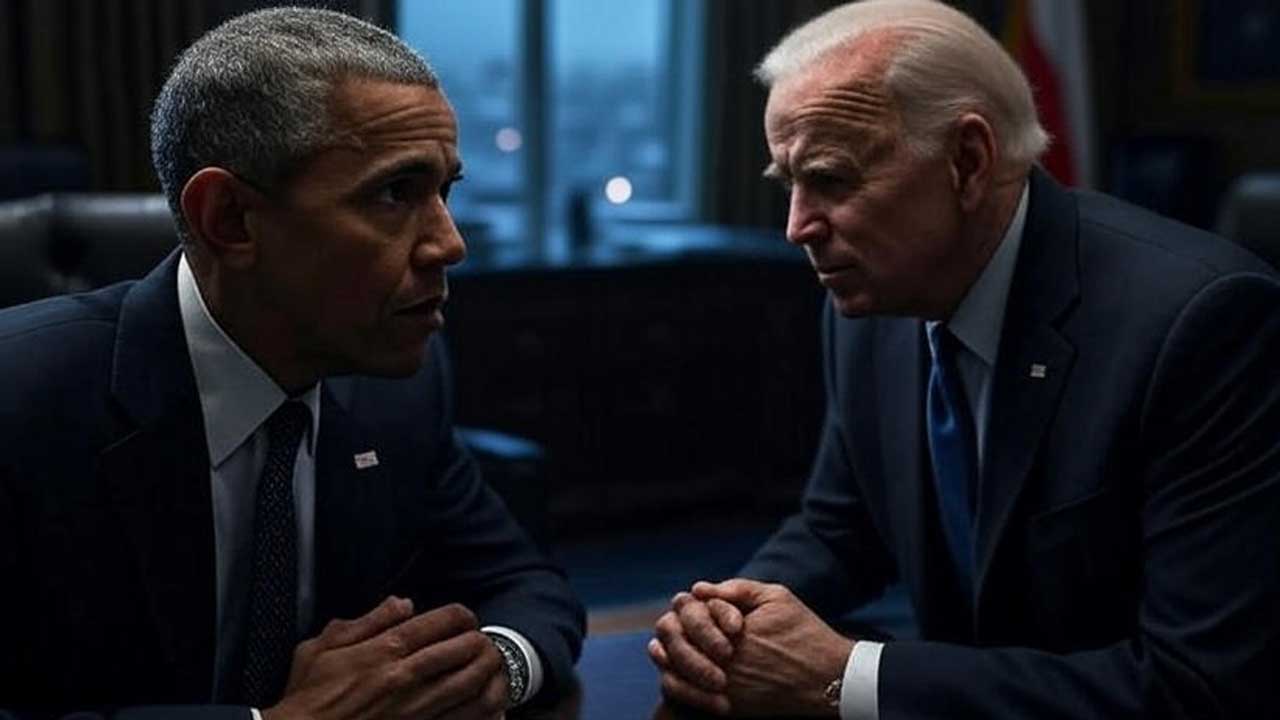
The annex also points to a 2016 briefing by then-CIA Director John Brennan to senior Obama administration officials, including President Barack Obama and Vice President Joe Biden, about the alleged Clinton campaign plan. The FBI received a referral from the CIA but did not act on it. Brennan, responding to the annex’s release, denied any conspiracy and stood by his actions during the 2016 election.
Political Reactions and Calls for Accountability
The annex’s release has fueled demands for further investigation. Attorney General Pam Bondi, FBI Director Kash Patel, and CIA Director John Ratcliffe supported its declassification, arguing it exposes a “Russia hoax” orchestrated by the Clinton campaign and enabled by a “weaponized” FBI and CIA. Florida Congressman Byron Donalds emphasized the need for a full-scale investigation, particularly regarding the Steele dossier, which he called a “false narrative” used to spy on Trump’s campaign. Donalds accused Clinton, Obama, and Biden of undermining democracy by leveraging the intelligence community to push unverified claims.
Fox Business reached out to Clinton’s team for comment but received no response. The lack of immediate rebuttals from those named in the annex has intensified calls for accountability, with some arguing that the Department of Justice should pursue justice for what they describe as a coordinated effort to mislead the American public.
Broader Context: Political Incentives and Transparency
The annex also touches on unrelated claims about Biden’s 2024 campaign, noting testimony from Biden’s longtime aide, Mike Donilon. Donilon defended Biden’s mental capacity, dismissing concerns about his debate performance as an overreaction. Reports suggest Donilon was promised an $8 million payout if Biden won re-election, a practice Congressman Donalds described as common in politics, where financial incentives often drive campaign loyalty. This revelation underscores the broader issue of political “swamp” dynamics, where personal and financial ties can influence decision-making.
Implications for American Democracy
The Durham annex reignites debates about the integrity of the 2016 election and the role of federal agencies in political processes. Critics argue that the Clinton campaign’s alleged actions, if true, represent a deliberate attempt to manipulate public perception. Conversely, the possibility of Russian disinformation complicates the narrative, highlighting the challenges of navigating foreign interference in U.S. elections. The FBI’s failure to investigate the Clinton-related intelligence while pursuing the Trump-Russia probe raises questions about bias and the need for reforms, as recommended in Durham’s 2023 report.
As the annex sparks renewed scrutiny, it underscores the importance of transparency in political investigations. Whether viewed as evidence of a “hoax” or a cautionary tale about disinformation, the document ensures that the 2016 election remains a flashpoint in American politics, with lasting implications for trust in institutions.
About The Author
Support Our Advertisers and Sponsors




You may have missed .....















Copyright © 2025 TheOklahomaNewsLeader.com – All rights reserved.