Americans Are About to Feel Trump’s Economic Impact
Americans Are About to Feel Trump’s Economic Impact
As the nation looks ahead to 2026, one factor stands above all others in shaping the political and social landscape: the economy. For President Donald Trump, economic performance may ultimately determine whether he defies history or becomes another casualty of voter dissatisfaction.
A High-Stakes Economic Moment
History shows that it is rare for a president to maintain control of both the House and the Senate while in office. If Trump succeeds, he would become only the fourth major president in the last century to do so. But that outcome hinges largely on whether Americans feel the economy improving in their daily lives.
Trump has repeatedly argued that he inherited an economic mess—pointing to inflation levels described as the worst in nearly half a century—and has framed his policies as corrective measures designed to restore affordability and confidence. If voters believe that message and experience tangible gains, it could cement his political momentum. If not, the political consequences could be severe, including renewed calls for investigations or impeachment from Democrats.
Strong Growth, Rising Expectations
Recent economic data has given the administration reason to be optimistic. The U.S. economy grew at an impressive 4.3% in the third quarter, accelerating from the previous quarter. By most economic standards, that level of growth is exceptional.
More importantly for everyday Americans, wage growth is expected to follow. Supporters argue that higher growth combined with targeted tax relief could translate directly into larger paychecks and improved household finances.
Policies Aimed at the Paycheck
Several Trump-backed initiatives are being promoted as direct stimulants to personal income and long-term growth:
-
No tax on tips
-
No tax on overtime pay
-
Social Security tax relief
-
Major tax incentives for foreign investment
-
Investment accounts for newborns
-
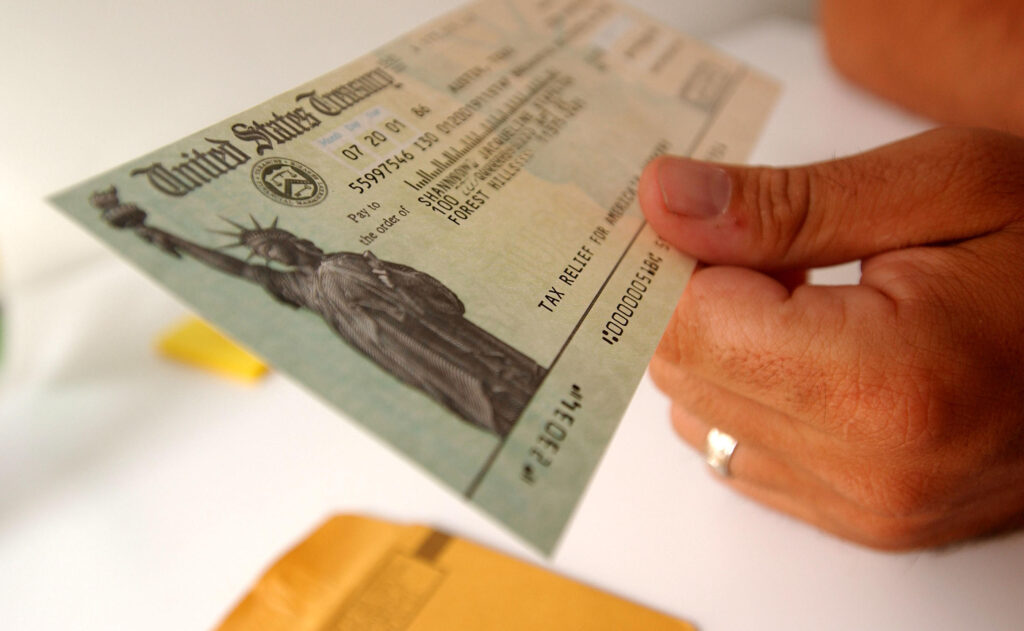
Larger-than-ever tax refunds
Together, proponents say, these policies could inject new energy into the economy, encourage work and investment, and help rebuild consumer confidence after years of inflation pressure.
Looking Back to Move Forward
Supporters often point to the words of Ronald Reagan as a guiding principle for the moment: lasting prosperity comes from staying the course and steadily rebuilding economic strength. The idea is not instant relief, but gradual progress—more jobs, higher wages, and renewed faith in the American Dream for those willing to work.
What Americans Are Saying
Public opinion, however, remains divided. A recent CBS News poll examining the personal financial impact of Trump’s policies reveals a nation cautiously hopeful but still strained:
-
18% say they are no better off financially in 2025 than they were in 2024
-
50% report being worse off financially today
-
Yet 27% believe things will improve in 2026
-
And 45% of those currently struggling expect to be better off next year
These numbers suggest that while many Americans are still feeling economic pain, optimism about the future is growing.
The Road to 2026
The critical question remains: will expectations turn into reality? If rising growth, wage gains, and tax relief materialize in a way households can clearly feel, Trump’s economic argument may resonate strongly heading into 2026. If not, skepticism could harden into opposition.
For now, the economy sits at the center of America’s political future—and millions of Americans are waiting to see whether the optimism they feel today will translate into real financial relief tomorrow.
About The Author