Retired Army Colonel Explains Putin’s Strategy as Ukraine War Drags On
As the war in Ukraine grinds on with no immediate end in sight, Joe Baccino, a retired U.S. Army colonel and author of the forthcoming book The High Stakes Communicators Handbook, offered insight into Russian President Vladimir Putin’s strategy and the evolving role of American diplomacy. His analysis is particularly crucial as a Retired Army Colonel Explains Putin’s Strategy.
Speaking during a televised interview, Baccino described the current moment as critical—not only for Ukraine and Russia, but for Europe and the United States as well.
This discussion highlights the importance of understanding military strategies and their implications, especially when a Retired Army Colonel Explains Putin’s Strategy.
A Turning Point After a Rocky Start
Insights from a Retired Army Colonel Explains Putin’s Strategy
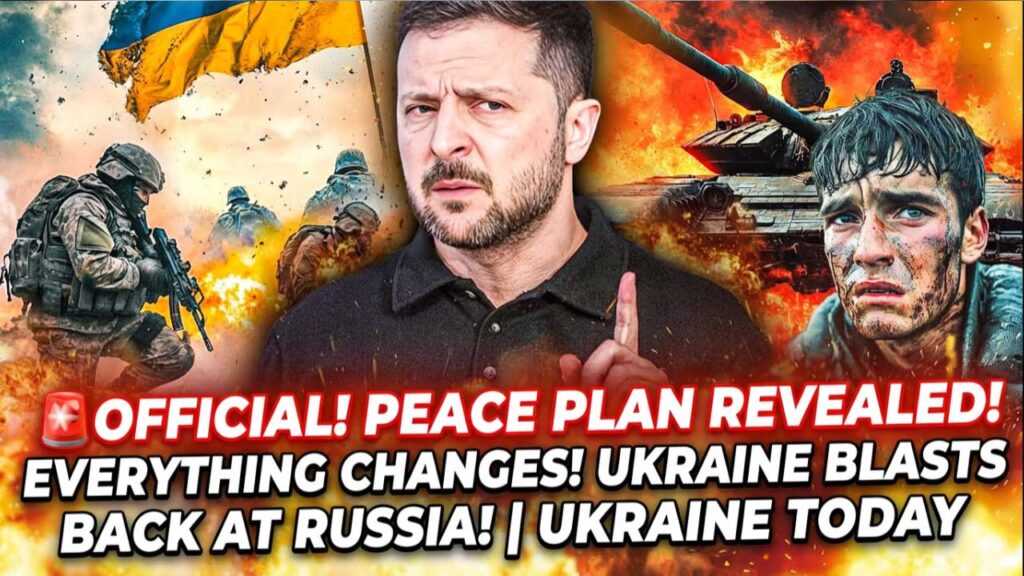
Baccino pointed to how far negotiations have progressed since the contentious White House meeting earlier this year between Donald Trump and Ukrainian President Volodymyr Zelensky.
“If nothing else, this creates momentum,” Baccino said, emphasizing that diplomacy is now clearly back in motion. While many key issues remain unresolved—particularly the status of the Donbass region and the Zaporizhia power plant—he believes the talks signal meaningful progress.
Strategic Assets Still in Contention
One of the most difficult hurdles, according to Baccino, is the Zaporizhia Nuclear Power Plant, the largest nuclear power plant in Europe. He said it is “very difficult” to imagine Russia relinquishing control of such a strategic asset without significant concessions.
At the same time, Baccino stressed that lasting peace will not be achieved through a simple cease-fire. Ukraine, he explained, wants a long-term security arrangement that includes a heavily monitored demilitarized zone to prevent renewed conflict years down the line.
Why Putin Isn’t Ready for the Table
Asked whether negotiations would be more productive if Putin were directly involved, Baccino said the timing is not right. With Russia continuing large-scale drone attacks on Kyiv, Putin believes the war of attrition is currently working in his favor.
“He wants to continue the slow grind,” Baccino said, adding that Putin views control of eastern Ukraine as an existential issue tied directly to power and influence.
Trump’s Unconventional Diplomacy
Baccino described Trump’s negotiation style as unconventional but effective. While the former president has at times praised both Putin and Zelensky, Baccino argued this approach fits into a broader U.S. national strategy centered on European stability.
“Trump understands the long game,” he said. “He understands what Putin wants and how he thinks.”
Still, Baccino expects Trump’s patience with Putin to wear thin in the coming months if progress stalls.
Momentum Not Seen Before
Baccino contrasted the current diplomatic push with previous efforts, saying the level of engagement now exceeds anything seen during the Biden administration. He highlighted the role of senior U.S. figures, including Steve Witkoff and Jared Kushner, in shaping a proposed 20-point framework that Ukraine has increasingly aligned with American positions.
According to Baccino, Zelensky has shifted closer to terms that could allow Trump to broker a deal acceptable to both sides.
Signs of Progress Ahead
If Trump and Zelensky address reporters together following future meetings, Baccino said that should be viewed as another positive signal.
“I expect positive comments on both sides,” he said. “That creates momentum—and Putin will be watching.”
As diplomacy continues behind closed doors, Baccino believes the current trajectory, while fragile, represents the most promising path toward a negotiated resolution since the war began.
About The Author